
Quick answer
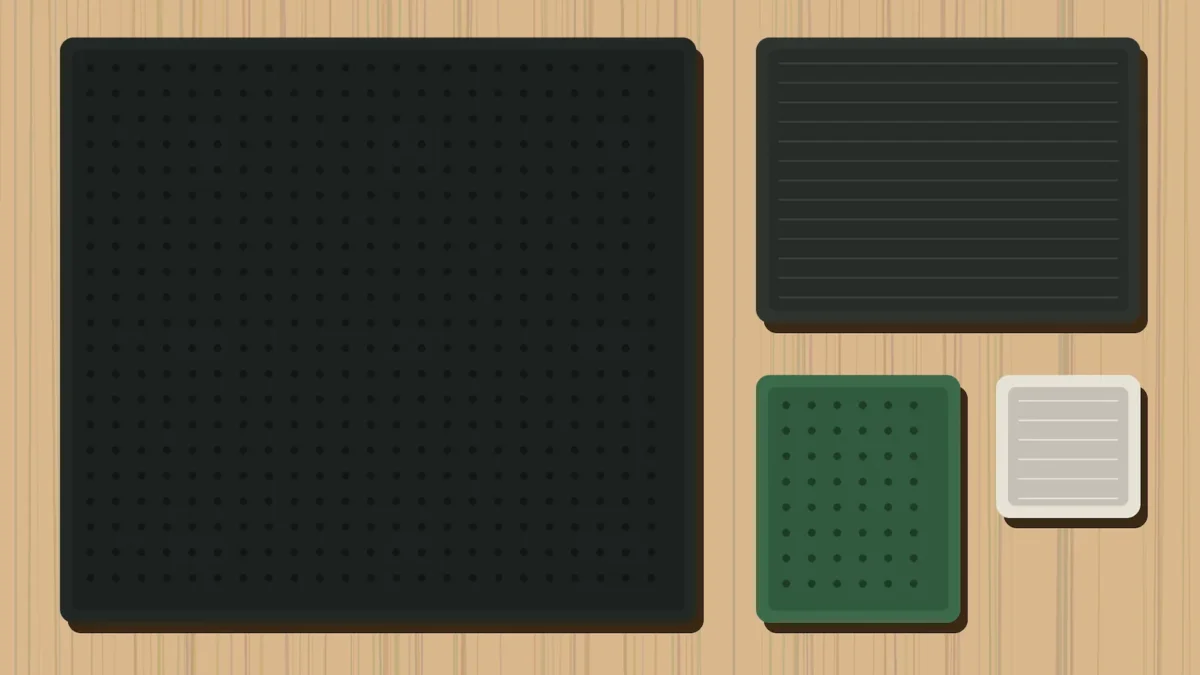
Most growers use standard 1020 trays (about 10 by 20 inches), nesting one tray with drainage holes inside one without holes so they can bottom-water. Smaller 10×10 or 5×5 trays suit tiny shelves and test batches. Choose shallow, sturdy, food-safe trays that are easy to clean and reuse.
The tray is the most overlooked piece of a microgreens setup, yet it decides how easy watering is, how much you harvest and how often you fight mold. Here is what the common sizes mean and why drainage matters so much.
Common microgreens tray sizes
| Tray | Approximate size | Best for |
|---|---|---|
| 1020 tray | 10 × 20 in | Standard shelves and steady harvests |
| 1010 tray | 10 × 10 in | Small shelves, two crops under one light |
| 5×5 tray | 5 × 5 in | Test batches, windowsills, gifting |
Sizes vary slightly between brands, so check that the trays fit your shelf and sit fully under your light.
Why drainage holes matter
Standing water around roots is the fastest route to mold and rot. A tray with holes lets excess water drain away, and it unlocks bottom watering: you pour water into a solid tray underneath, and the roots drink from below while the leaves and stems stay dry.
The two-tray setup
- Fill a tray with holes with soil, coco coir or a hemp mat.
- Set it inside a tray without holes.
- After blackout, add water to the bottom tray and let the medium soak it up for 10–15 minutes.
- Pour off what is left so the roots never sit in water.
Grower’s tip
Shallow trays (about 1 to 2 inches deep) are plenty for microgreens. Deeper trays hold more water than you need and dry out more slowly.
Our tray picks
Sample: 1020 Tray Set (with and without holes)
Sturdy shallow trays that nest together for easy bottom watering.
Pros
- Holed tray nests inside a solid one for bottom watering
- Thick plastic survives many cycles
- Fits most grow lights and shelves
Cons
- Too big for a windowsill or desk
Sample: 10×10 Shallow Trays
Half-size trays for small shelves and growing several crops side by side.
Pros
- Grow two varieties under one light
- Easier to handle and clean
Cons
- Smaller harvest per tray
Cleaning and reusing trays
Scrub trays with hot soapy water between crops, rinse well and let them dry completely. Thick, sturdy trays survive many cycles; thin ones crack and are hard to clean, which can carry mold into your next batch.
FAQ
Do microgreens trays need holes?
The tray holding the growing medium should have holes so excess water drains away. Pair it with a solid tray underneath for bottom watering.
How deep should a microgreens tray be?
About 1 to 2 inches is enough. Microgreens have short roots and are harvested within a few weeks.
1 comment